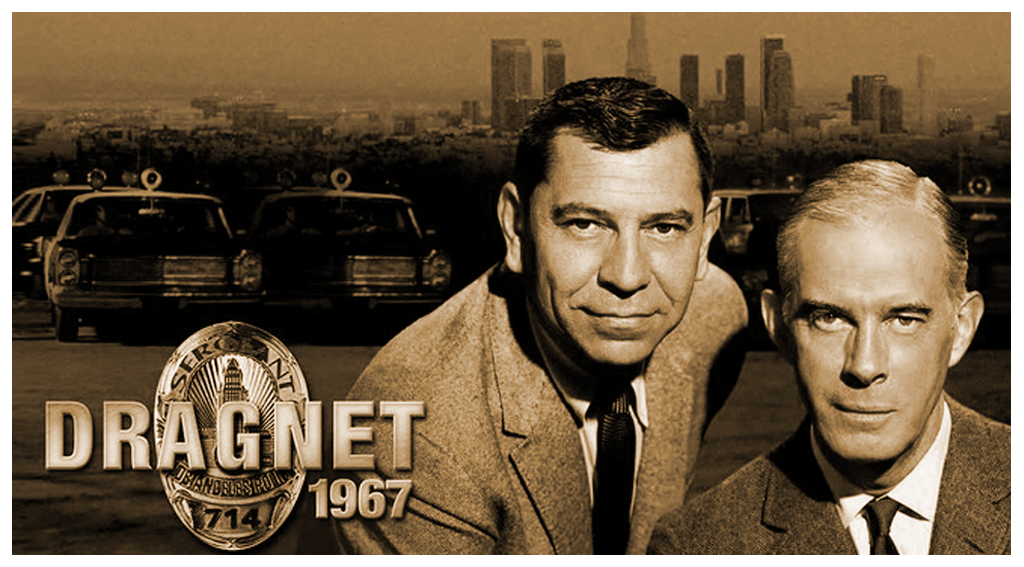
HOW A RADIO AND TELEVISION SHOW CAPTIVATED AND INFLUENCED ME FOR DECADES
One of the clearest memories from my childhood involves laying flat on the living room floor beneath a giant wooden Philco radio waiting for the opening notes of Dragnet. I must have been about five years old, though at that age time moved so slowly that a half hour radio program felt like a major life event.
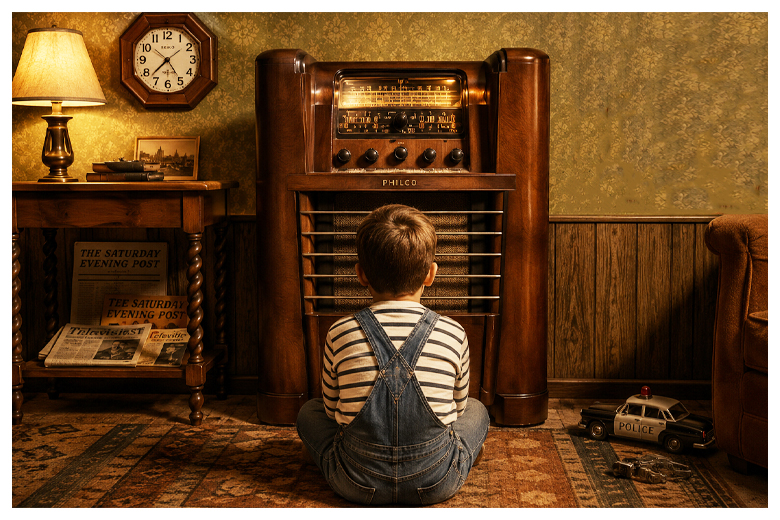
The moment those four dramatic notes started, I was completely absorbed. Nothing else on radio sounded like Dragnet. Sergeant Joe Friday and his partner Sergeant Ben Romero spoke in short clipped sentences that made every conversation sound important. You could hear footsteps, breathing and doors closing. To me it did not sound like acting. It sounded like somebody had accidentally left a microphone running inside a police station.
The phrase “Just the facts, ma’am” soon became famous everywhere, though I suspect many people repeated it without possessing any actual facts at all.
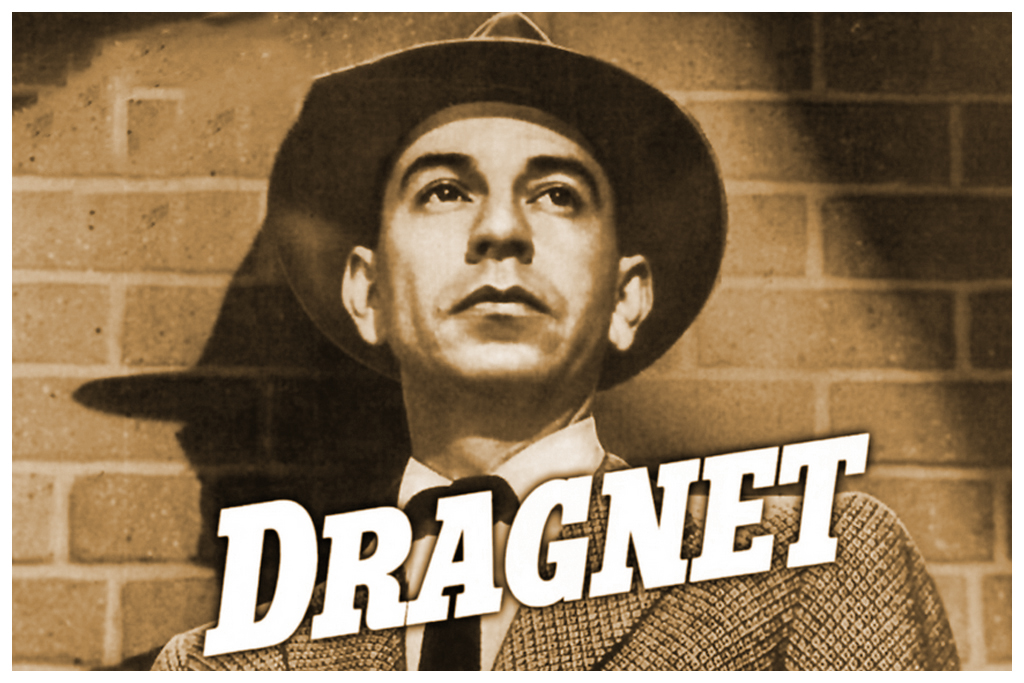
The success of the radio show eventually carried Dragnet onto television. The producers wisely understood that changing a winning formula is one of mankind’s more dependable methods of ruining things, so they kept the same style, the same actors and nearly the same scripts. From 1951 through 1956 the show ranked among television’s biggest successes. I remained a devoted fan, although our family did not own a television set during some of those early years, which forced me to experience modern entertainment the same way archaeologists discover ancient civilizations, through fragments and secondhand descriptions.
When the show was finally canceled, I felt as though I had lost a reliable friend. It is remarkable how attached a person can become to somebody they have never actually met.