Steinbeck understood Baja better than most. He wrote:
"Trying to remember the Gulf is like trying to re-create a dream... We must go back if we live, and we don't know why."
He was right.
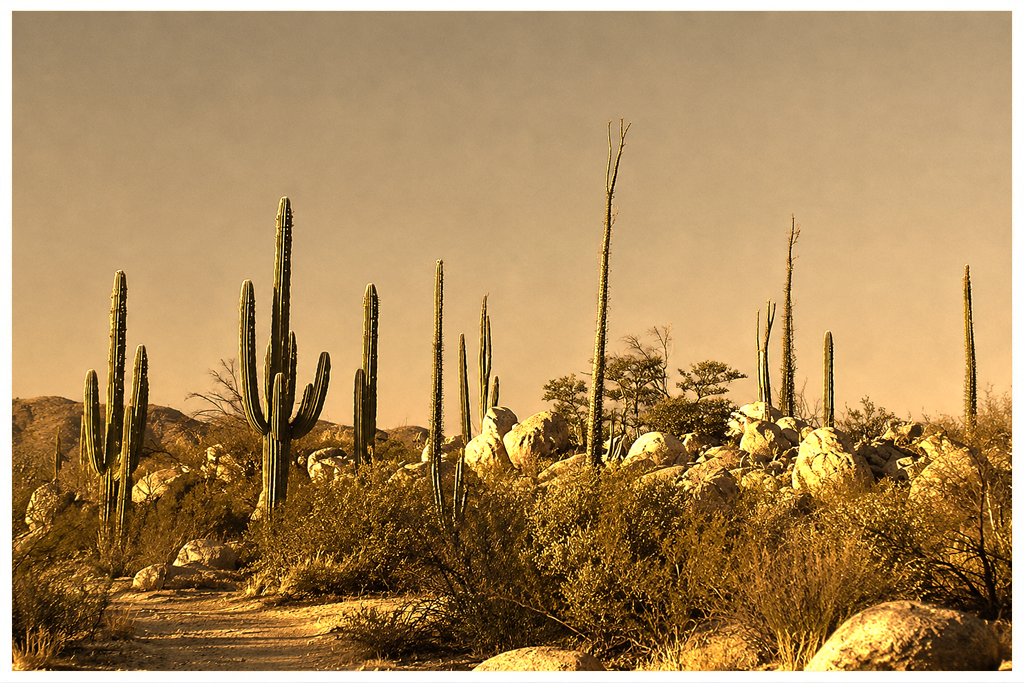
Baja has never been interested in attracting tourists by pretending to be somewhere else. It offers no grand entrances, very little fresh water, and roads that seem determined to test both your suspension and your optimism. The mountains are barren, the desert appears endless, and the giant cactus stand like silent spectators, watching generations of travelers wonder whether they took the wrong turn several hundred miles ago.
Oddly enough, that's precisely the attraction.
The farther you travel into Baja, the fewer people you encounter, and the more civilization begins to look like a useful invention rather than a necessity. Out there, you discover that peace and convenience rarely travel together. Most people choose convenience. Baja quietly rewards those who don't.
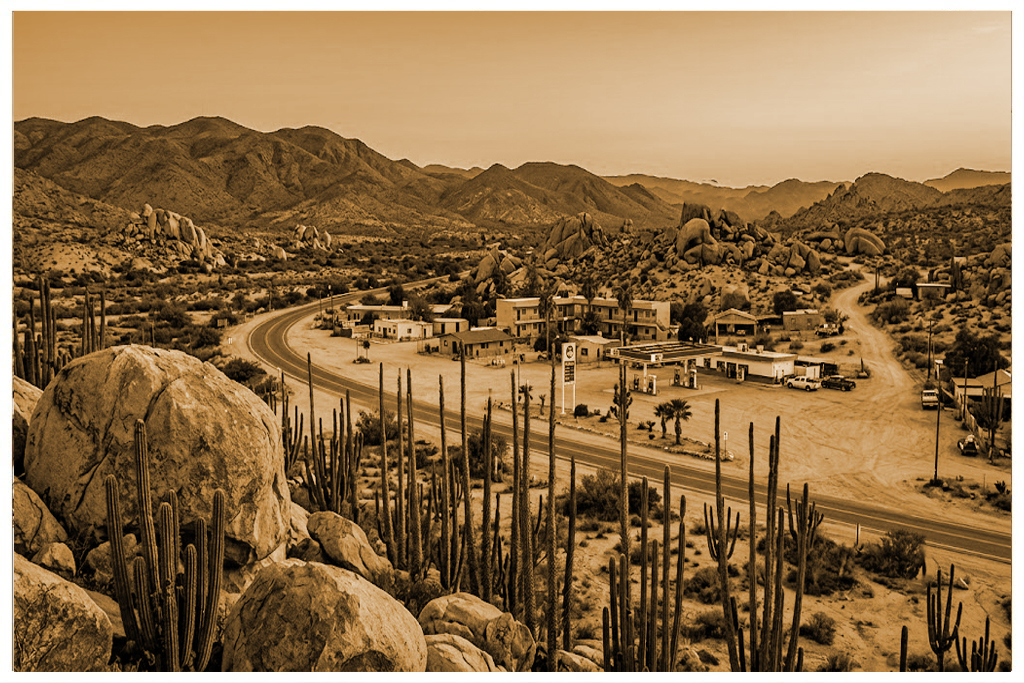
One of my favorite places was Cataviña, nestled in the Valley of the Cirios between San Quintín and Guerrero Negro. It is one of those landscapes that looks less like nature and more like the rough draft of creation. Wonderfully peculiar trees often called Boojum trees seem to have been designed by a landscape architect with an exceptional sense of humor. Massive granite boulders, ancient cave paintings, and hidden springs remind visitors that people were finding their way through this remarkable country long before highways, smartphones, and the comforting illusion that we always know exactly where we are.
Just south of Cataviña, one of the few rough roads crosses the peninsula from the Pacific Ocean to the Sea of Cortez. Calling it a road requires a generous interpretation of the word. In those days there was little along the route except Coco's Corner, an isolated outpost operated by one of Baja's legendary characters.
Coco lived alone in the middle of nowhere, yet somehow managed to become one of the peninsula's best-known residents. Travelers stopped as much to meet Coco as they did to rest their vehicles. I was saddened to learn recently that he passed away. Baja lost one of its true originals.
While living at Rancho El Socorrito, my friend and neighbor George Merziotis and I hauled a large fifth-wheel trailer across that rugged crossing to Rancho Grande Beach near Gonzaga Bay. The owner kindly allowed us to establish a long-term campsite, and before long we had created our own little paradise for fishing, campfires, and doing as little as possible.
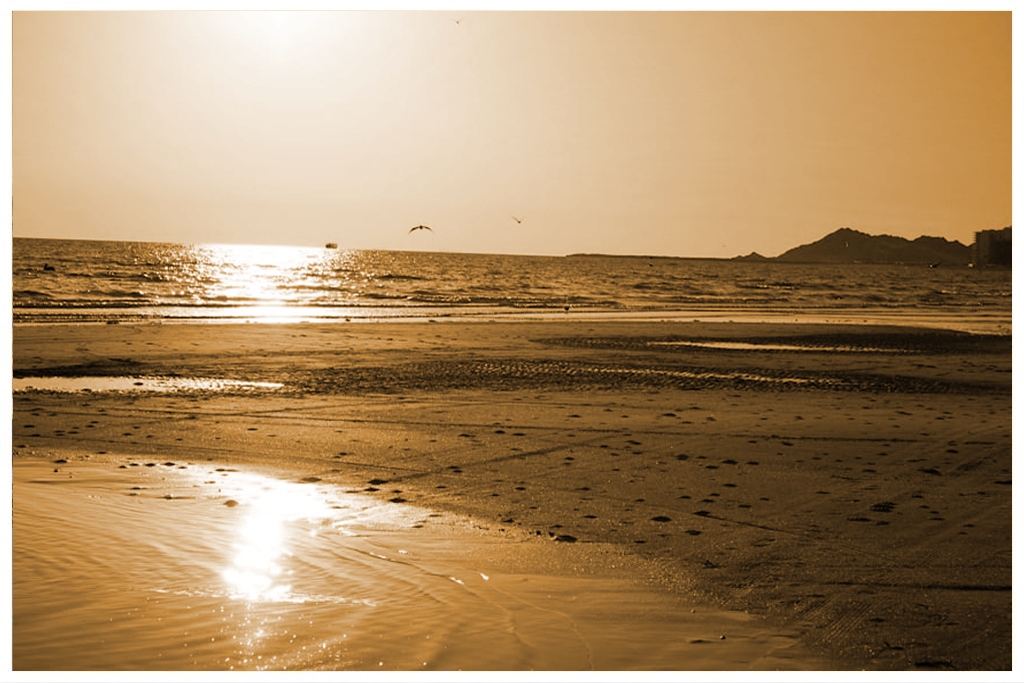
The Sea of Cortez has one unusual habit. At low tide the water retreats so far that you can walk hundreds of yards offshore while still only ankle or knee deep. Everyone familiar with the area learns the same lesson early.
Shuffle your feet.
The advice isn't for your benefit.
It's for the stingrays.
By dragging your feet through the sand instead of taking normal steps, you warn the rays that you're coming, giving them time to slide away peacefully. Ignore that custom, and one of them may decide to introduce itself.
One afternoon, after collecting seashells with friends, I headed back toward camp in search of a cold beer. I faithfully shuffled my feet all the way to shore.
Then, in about an inch of water, I took one perfectly ordinary step.
It landed squarely on a stingray.
The pain arrived before I had time to appreciate my mistake. The barb drove through my Achilles tendon and snapped off inside my leg. In an instant, a pleasant afternoon became one of the most painful experiences of my life.
Medical help was several hours away, so we began the slow drive back across Baja's unforgiving roads. Along the way we stopped at Coco's Corner. Like many people who have lived far from hospitals, Coco possessed an impressive collection of remedies learned through necessity rather than medical school. His treatment eased the pain enough for me to continue.
Four long hours later we reached the clinic in San Quintín. They managed the pain but couldn't remove the barb. That would have to wait until I returned to the United States.
Most sensible people would probably consider that a good reason never to return to Baja.
They would be mistaken.
As Steinbeck observed, "We must go back if we live, and we don't know why."
I understand exactly what he meant.
Circumstances have kept me away for many years, but Baja still has a firm grip on my imagination. If fortune allows, I'll return one day.
After all, the peninsula has given me far more memories than injuries and I still have plenty of Baja stories left to tell.