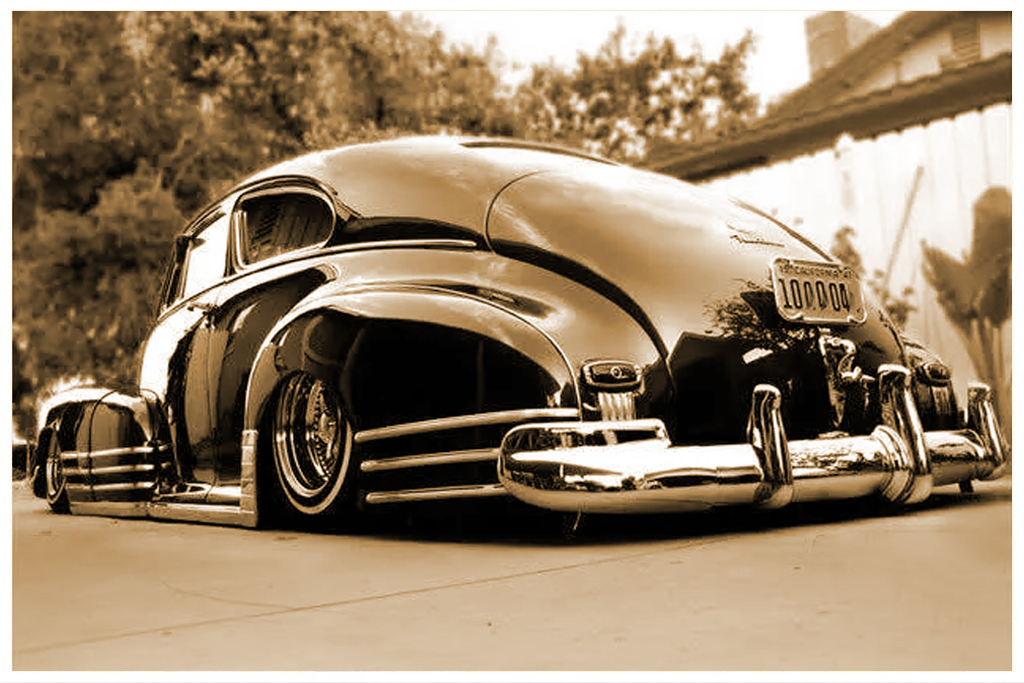
DUCKTAILS, FLAT TOPS AND CAR CLUB FRIENDS
If you were a teenage boy in Southern California during the 1950s, there was an unwritten rule.
You either belonged to a car club or you spent a good deal of time wishing you did.
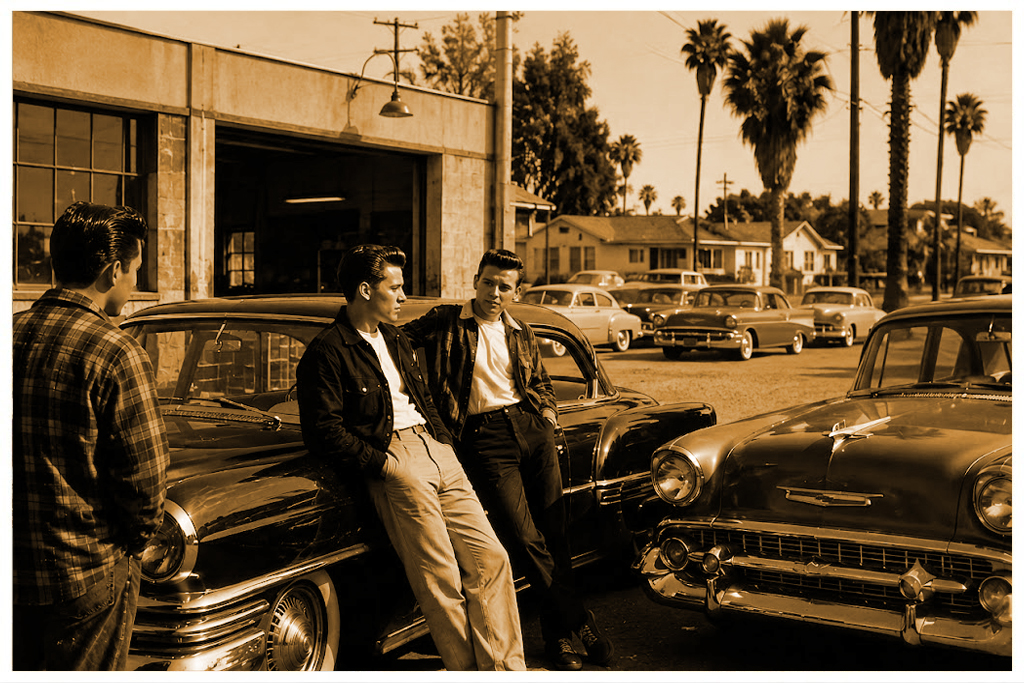
Most clubs borrowed names from history's great warriors. The Huns, Barbarians, Knights, Mongols—you could be forgiven for thinking Southern California was preparing for an invasion instead of Saturday night.
I belonged to the Drifters.
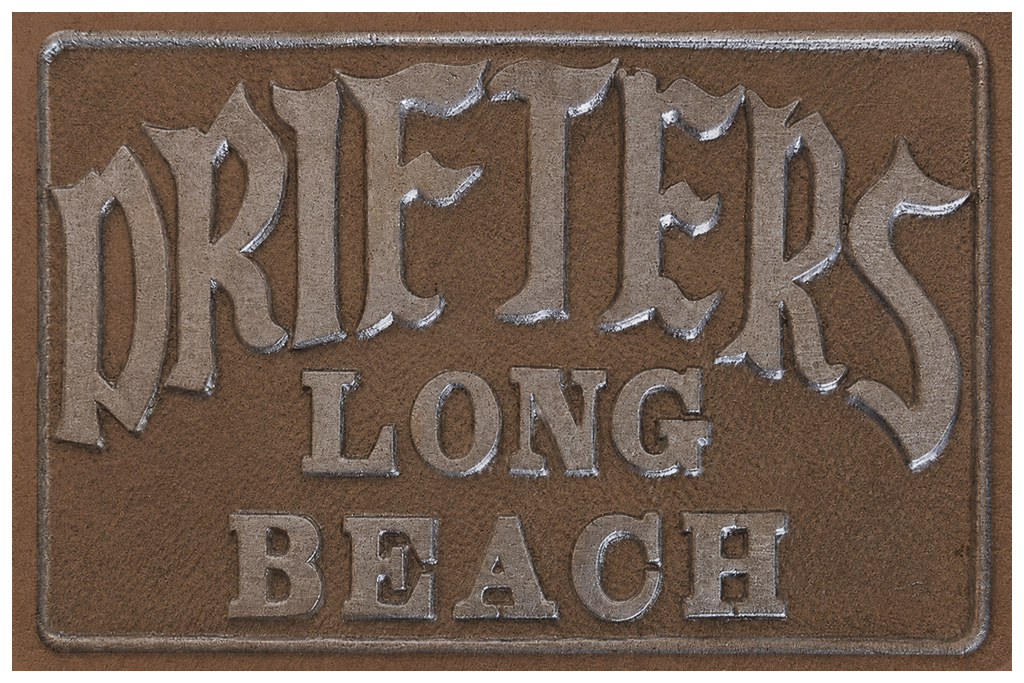
There were usually twenty-five to forty-five of us, almost all friends from the same Long Beach high school. Membership came with a cast aluminum plaque about six inches by nine, proudly displaying Drifters in ornate Old English lettering with Long Beach beneath it. The plaque usually found its way onto the rear bumper or the package shelf behind the back seat, ensuring everyone knew exactly who you were before they
knew your name.
Some of us even had long jackets with Drifters
embroidered across the back.
Looking impressive was considered an essential automotive accessory.
Our meetings were hardly what anyone would call organized. At first, we gathered at the North Long Beach YMCA until someone decided we were no longer improving the premises. After that, meetings rotated between members' homes.
I remember one gathering at my mother's duplex particularly well.
She was working at Baskin-Robbins at the time and arrived home carrying what appeared to be a five-gallon tub of Rocky Road ice cream.
Club business came to an immediate halt.
Every important decision was postponed while twenty-five teenage boys conducted a thorough investigation into whether five gallons of ice cream could disappear in a single evening.
From that day forward, my house became an extraordinarily popular meeting place. Whether anyone remembered the agenda is another matter.
Our activities consisted mostly of picnics, parties, and something called poker runs.
Imagine a scavenger hunt designed by people who preferred automobiles to walking.
Each team received directions to a secret location, this secret location often took a few tries to find. When found someone would hand them a single playing card before sending them off to the next stop. After collecting four cards from four different locations. The fifth card was given at a rented hall to discover whose luck had been better than their navigation.
The final stop was often at the Long Beach National Guard Armory, the Bellflower Portuguese Hall, or another rented hall large enough to contain hundreds of teenagers and several local bands.
Poker runs became so popular that promoters hired multiple bands for the evening. Looking back, I realized some of those young musicians eventually became well known. Tony Allen and the Night Owls, Chuck Flores, Rosie and the Originals, and others who played at those dances long before anyone imagined they would become part of Southern California music history.
If memory serves me correctly, I believe that even the real Drifters performed once at one of our dances.
Memory, of course, improves with age, although not always in the direction of accuracy.