LOST AT SEA
A TEEN’S ADVENTURE
At fifteen years old, along with my best friend Willie McNeil, known to most everybody as Jay, I took my first deep sea fishing trip out of Pierpoint Landing in Long Beach, California. I got hooked quicker than the fish did. The smell of salt water, diesel fuel and fish scales suited me better than school ever had.
I struck up a conversation with the skipper and offered a deal that favored him considerably more than me. I would help clean the boat, work the galley kitchen and do whatever miserable jobs nobody else wanted, all in exchange for free passage and the occasional chance to fish when things slowed down. To my amazement, he accepted. I was now an unpaid deck hand, which sounded much more impressive than it paid.
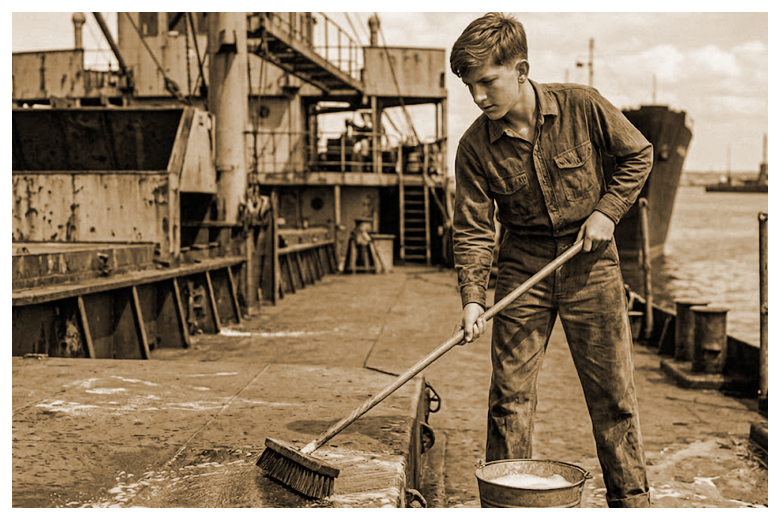
Weekends, holidays, summer vacations and a remarkable number of school days found me exactly where I wanted to be, somewhere offshore hoping the fish were less educated than the fishermen. Cleaning fish for paying passengers brought in enough tips to keep me supplied with gas money and occasionally something to eat that did not come wrapped in wax paper.
Meanwhile, forging my mother’s signature and inventing explanations for my school absences became something of a side profession. I only hoped the school administration was not carefully counting how many times my grandmother had passed away. That poor woman died often enough on paper to qualify as a medical mystery. Neither my mother nor the school ever mentioned it, which led me to believe one of them was either merciful or exhausted.
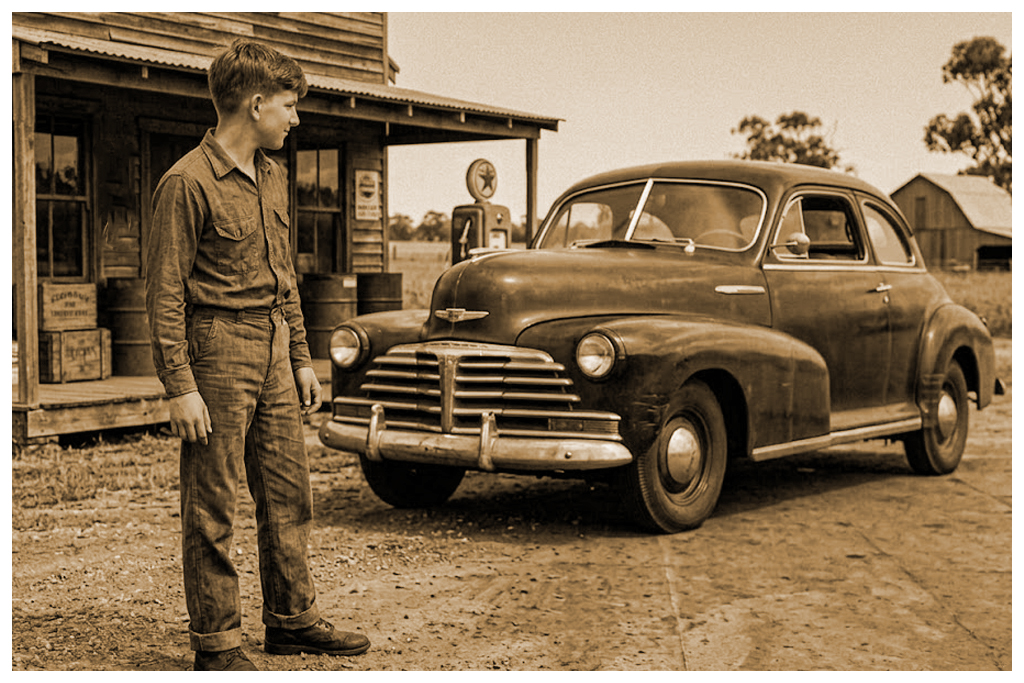
Between fishing tips and various odd jobs, I managed to buy an old car shortly after getting my driver’s license at fifteen. By then, most of the skippers knew me by name, and some of them even trusted me with things that floated.
Eventually Pierpoint Landing closed, and the fishing fleet moved over to Pacific Landing. One of the captains who regularly exchanged my labor for passage helped me get a job at Gallagher’s Galley restaurant down at the docks. The restaurant catered to fishermen who believed sleep was something best left to accountants and schoolteachers. They arrived before sunrise and returned at dinnertime smelling like fish and accomplishment.
From those early years on the water, deep sea fishing got into my blood and stayed there. No matter what jobs I held later in life, I always found time for another fishing trip, whether short range or long range. Some habits improve a man. Others simply follow him around forever.
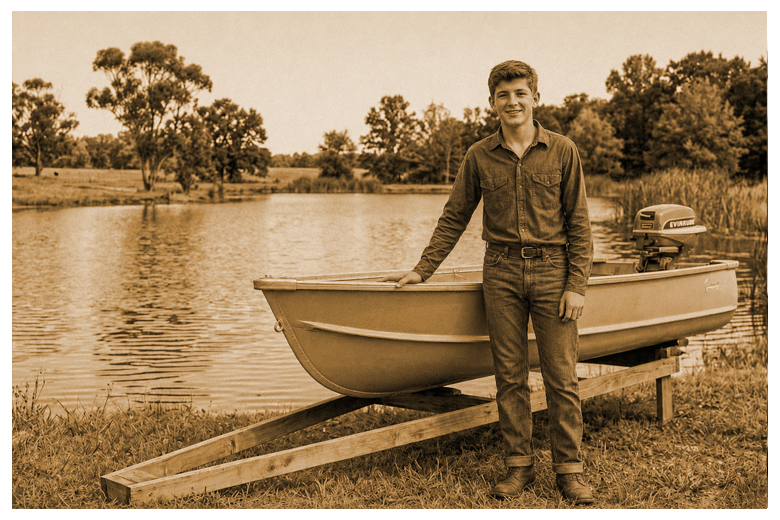
At fifteen, one of my father’s friends, Joe Lane, gave me a small fiberglass boat with a thirty-five horsepower outboard motor. It was a generous gift and entirely unsuitable for crossing the Catalina Channel, which was known for rough seas, bad moods and little sympathy for small boats.
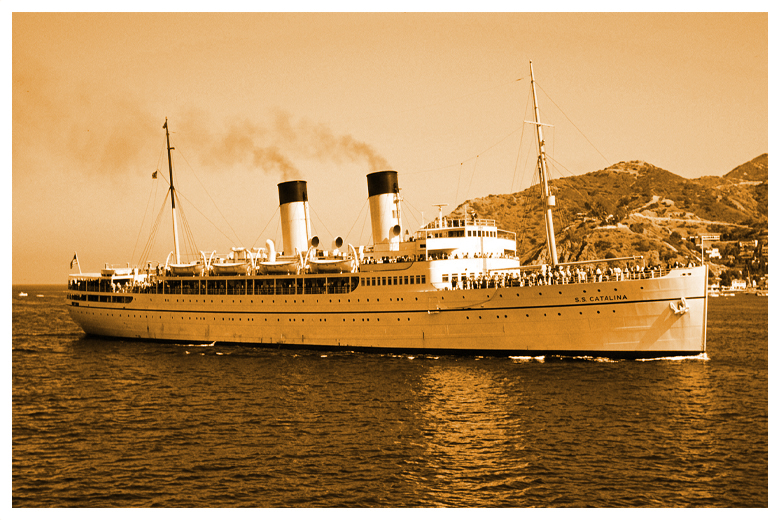
Every morning the big white passenger steamship headed for Catalina Island and returned each afternoon. By following behind it, I discovered I could safely reach some excellent fishing areas. On the protected side of Santa Catalina Island was a cove famous for white sea bass and yellowtail fishing, and naturally this made it irresistible to young men with limited judgment.
One afternoon after fishing near the cove, we returned to Avalon Harbor to follow the big white ship back home. About halfway across the channel our engine died without ceremony or apology. We watched the steamship slowly disappear into the distance while we remained floating in silence.
We had no radio, no lights and no provisions worth mentioning. For two days and nights we drifted around the Pacific Ocean reconsidering several of our previous decisions. Hunger arrived first. Confidence left shortly afterward.
Eventually the Coast Guard found us nearly fifty miles south of where we had started. It had been a very long wait and an even longer lesson.
The ocean is perfectly willing to let a young man borrow confidence. It simply expects repayment with interest.