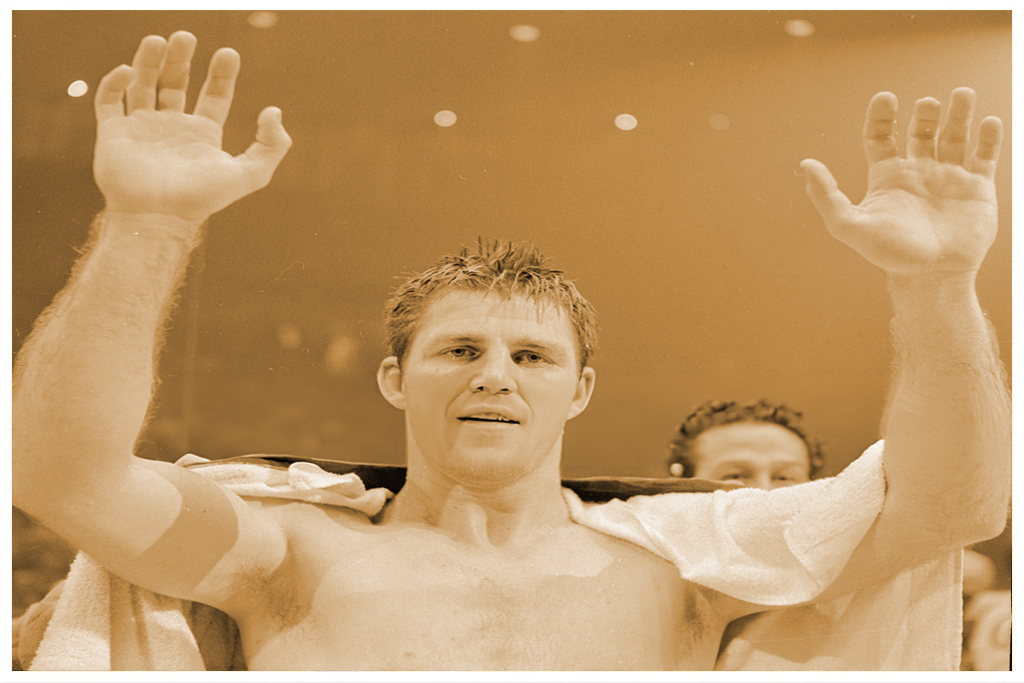
MORE THAN A GOOD LEFT HOOK
Growing up in our house, Monday and Friday evenings belonged to boxing.
Not to the fighters, mind you. They merely supplied the entertainment. The real contest took place in our living room, where my father and a few of his friends gathered around a ten-inch black-and-white television. Between them they consumed enough beer to improve every fighter's strategy from the safety of our living room.
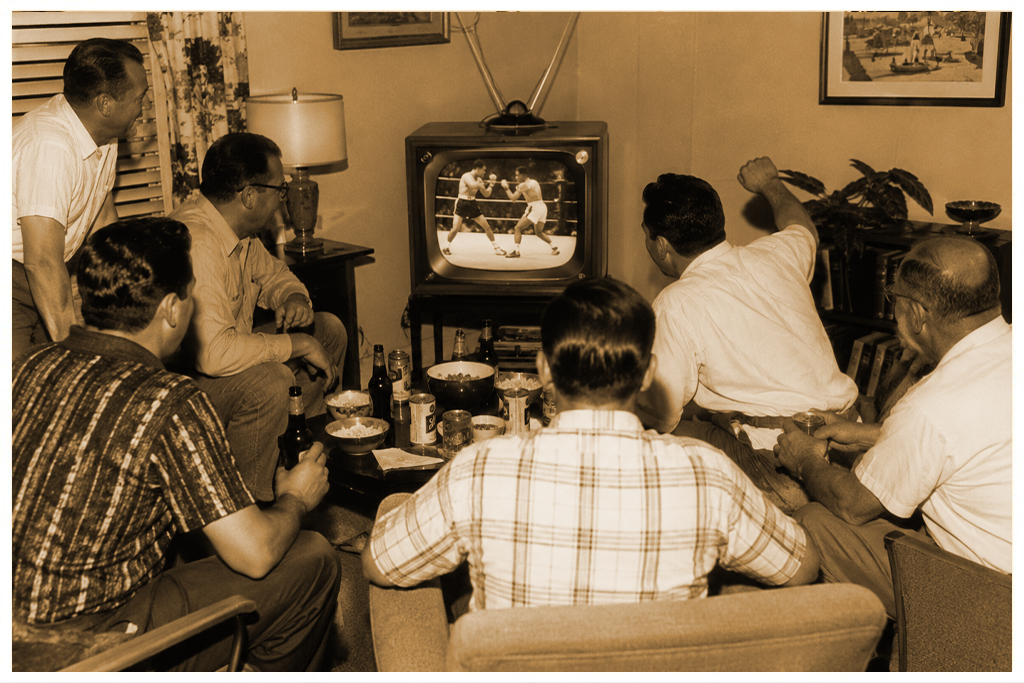
The evening always began the same way.
"Look sharp... feel sharp... be sharp..."
Gillette's famous jingle announced the beginning of The Cavalcade of Sports. Long before cable television discovered there were twenty-four hours in a day to fill, boxing was one of America's favorite spectacles. Heavyweights weren't the only celebrities then. Featherweights, welterweights, and everyone in between had their turn under the lights. Rocky Marciano, Sugar Ray Robinson, Willie Pep, Archie Moore, and Rocky Graziano became familiar names even to boys who hadn't yet learned multiplication.
My father seldom missed a broadcast.
Neither did I.
At first I watched because everyone else did. Eventually I realized boxing wasn't nearly as simple as two fellows trying to rearrange each other's faces. The best fighters seemed remarkably calm, as though they had all the time in the world to decide where the next punch ought to go. The loudest fellow usually lost, which struck me as a lesson that extended well beyond boxing.
Not far from our home in North Long Beach stood the local YMCA. It contained a heavy bag, speed bags, and a boxing ring just large enough to encourage confidence while discouraging escape.
I spent countless hours pounding the heavy bag. Occasionally we'd climb into the ring wearing gloves so enormous they looked less like boxing equipment and more like upholstered furniture.
By my early teens I'd talked my parents into letting me hang a speed bag at home. I practiced faithfully, convinced that every punch brought me one step closer to becoming the next heavyweight champion. Looking back, I now realize the speed bag never hit back, which probably explains my confidence.
Word eventually spread around school that I boxed.
The remarkable thing about reputations is that they often improve while you're not paying attention.
Before long, classmates advised newcomers not to challenge me. As someone who was naturally shy and would have preferred almost any activity to fighting, I found this arrangement nearly perfect. People avoided fighting me because they believed I wanted to.
Nothing could have been further from the truth.
On the rare occasions when circumstances insisted otherwise, winning only strengthened a reputation I had never intended to build. Life has always shown a curious talent for rewarding people with things they weren't trying to collect.
When I turned twenty-one, I became a police officer.
In those days, many departments believed six months of probation was a perfectly reasonable substitute for formal academy training. Apparently, the official policy was to let experience educate you first and instructors explain it afterward.
Fortunately, boxing had already provided a useful education.
It taught balance, patience, discipline, and perhaps most importantly, that throwing the first punch is usually evidence that you've run out of better ideas.
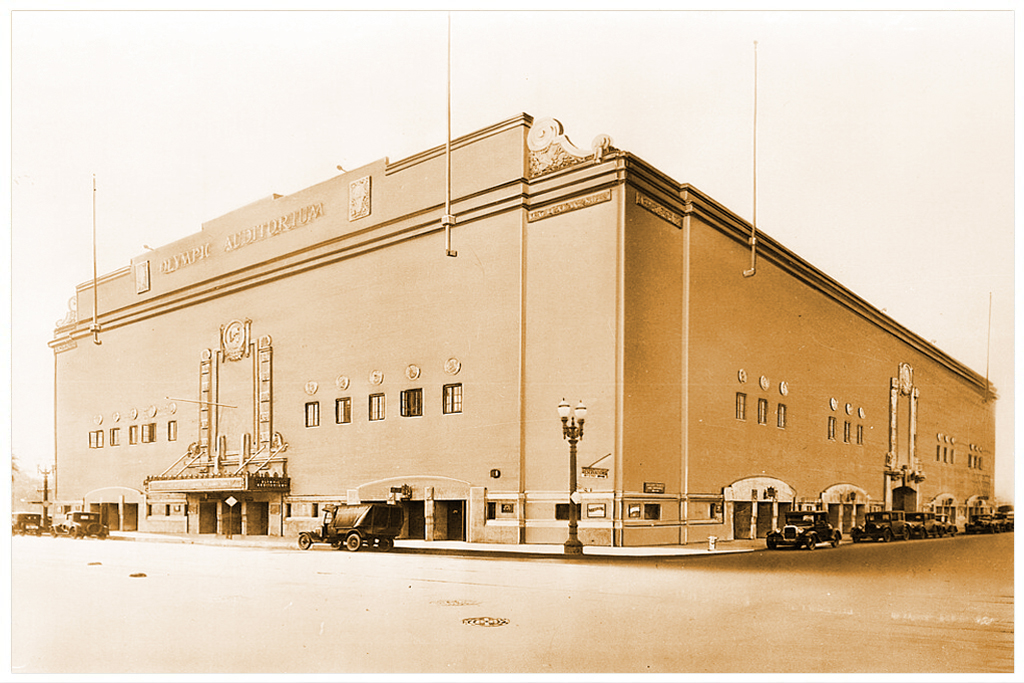
Several officers shared my enthusiasm for boxing, and together we managed to acquire front-row seats for Friday night fights at Los Angeles' legendary Olympic Auditorium.
The Olympic was more than a boxing arena. It was where movie stars sat beside laborers, gangsters applauded sportsmanship, and every man in the audience believed he could have won the fight if only someone had asked him to step into the ring.