THE WORLD CHANGED ANYWAY
Chapter 1: The Early Spark
I took to business at the age of seven, which is younger than most fellows take to sense but about the same time they take to trouble.
Mine happened to pay a little.
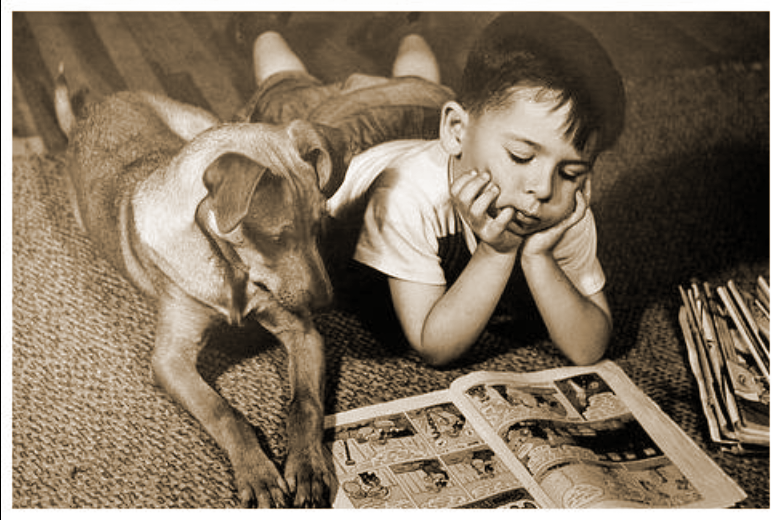
It began with comic books. Not the reading of them that’s a harmless vice but the copying. There were contests, you see, where a boy could send in a drawing and, if the judges were feeling charitable or inattentive, he might win something for it. I sent in my share. Turned out I had a talent for imitation, which is a fine skill in youth and a dangerous one later on.
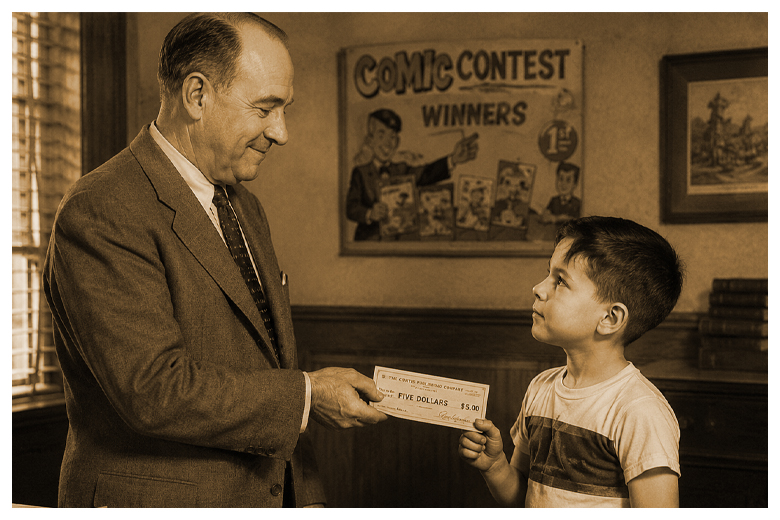
I won subscriptions mostly and now and then a prize of five dollars, which at that age felt like I had briefly joined the ranks of the wealthy. It did not last long, as wealth rarely does when it finds a child.
Not long after, I took employment at the neighboring shoe repair shop. My duties consisted chiefly of sweeping up the remains of other people’s walking dust from leather, scraps of rubber, and the general evidence that shoes live harder lives than their owners admit. For this, I was paid twenty-five cents a day, which seemed fair so long as I didn’t stop to calculate it too closely.
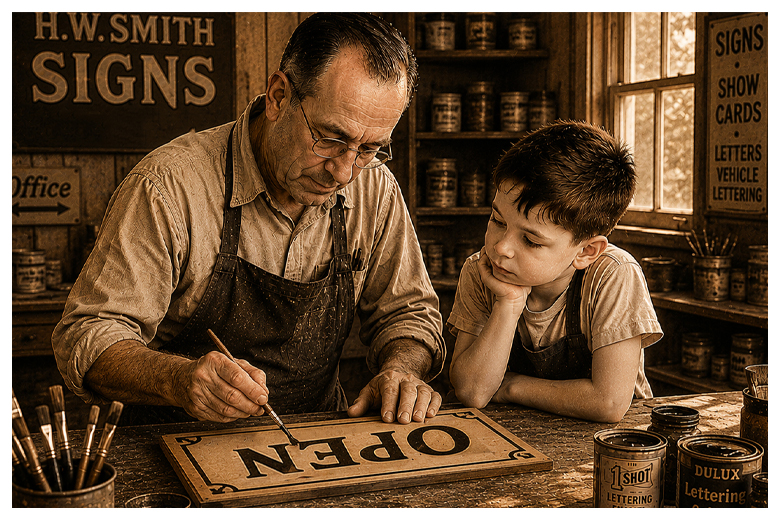
I spent a good many afternoons at an old man’s sign shop as well. He had the look of someone who had seen enough of the world to mistrust it, but not enough to quit working in it. I cleaned his brushes, fetched what needed fetching, and tried not to be in the way more than necessary.
In return, he taught me things of lasting value how to pull a clean line in a single stroke and how to lay down a stripe straight enough to satisfy a man who had spent his life noticing when they weren’t. These are the sort of skills that don’t announce themselves as important at the time, but later on you find they’ve been quietly making a living for you.
Between the ages of eight and eleven, I grew respectable at both.
Around that same time, I carried two paper routes, one in the morning and one in the evening—because apparently I had decided sleep was a negotiable condition. Once my regular customers were satisfied, I discovered a truth that has guided many a fortune since: a man can always sell more than he’s asked to, provided he stands where people are in a hurry.
So I ordered extra papers and took up position at busy intersections, where commuters, trapped between intention and delay, proved willing to pay a dime, a quarter, or whatever they had handy for the privilege of reading while waiting to move again.
It was there I learned one of the finer points of commerce that convenience has a price, and most people will gladly pay it if you arrive at just the right moment.